



Blog / Findlay Toyota Service

How to Prepare Your Toyota for Ohio Fall Weather: Toyota Fall Maintenance Tips

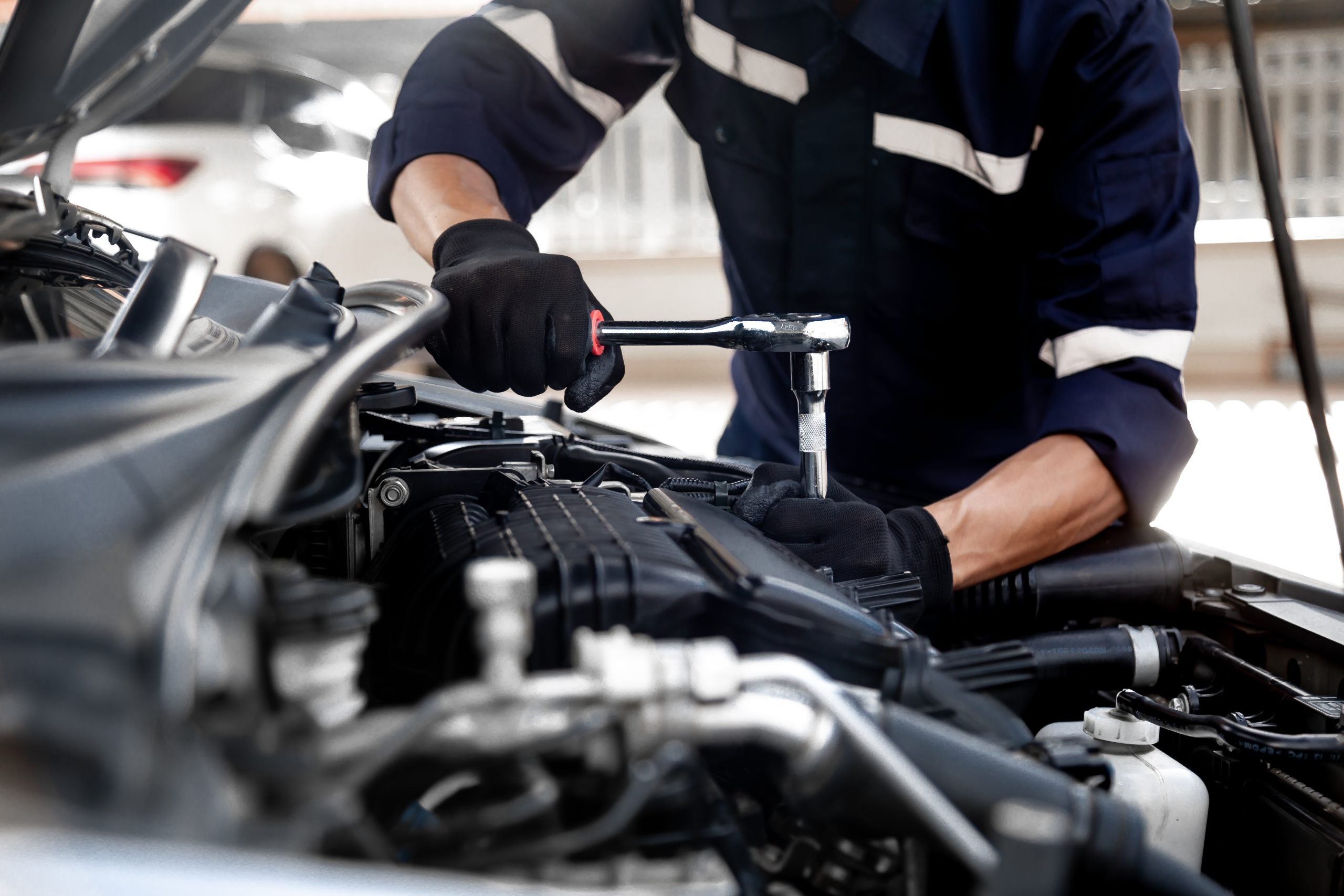
Mechanics inspecting a vehicle engine

Autumn in Findlay has an inconvenient habit of being pleasant one afternoon and distinctly wintry the next morning. That makes Toyota fall maintenance less about preparing for leaves and more about using the milder weeks to make sure the car is ready for what follows. Tires, batteries, brakes, fluids, lights, and wipers all become more important as temperatures fall and roads become colder and wetter. None is especially complicated, but neglecting one can make an Ohio winter considerably more tiresome.

Start With the Battery Before the Cold Does

A marginal battery can behave perfectly well in warmer weather and reveal its condition the first properly cold morning. A battery test can measure its health before that happens, while an inspection can identify corrosion or loose connections around the terminals. Slow starting, electrical oddities, or a battery that's already approaching the end of its expected service life are good reasons to arrange Toyota battery service before winter. The charging system can also be checked if there are signs the battery isn't receiving or maintaining the charge it should.

Tires Deserve More Than a Quick Glance

Cold temperatures affect tire pressure, so autumn is a good time to check inflation against the specification listed for your Toyota and inspect the tread while you're there. Uneven wear may indicate the need for tire rotation, wheel alignment, or a closer look at the suspension, while low tread depth becomes increasingly important as rain, slush, and snow arrive. Drivers considering seasonal tires should also make that decision before the first serious winter weather creates the annual rush for appointments.

Brakes and Fluids Have Winter Work Ahead

Wet leaves, rain, snow, and ice make predictable braking rather important, so a fall brake inspection should include the condition of the pads, rotors, and related components. Fluids deserve similar attention. Coolant protection should be appropriate for the temperatures ahead, windshield washer fluid needs to be suitable for freezing conditions, and other fluids should be inspected according to the Toyota's maintenance requirements. Fall Toyota service provides a convenient opportunity to deal with anything approaching replacement before colder weather makes the deficiency more obvious.

Don't Discover Worn Wipers in the Rain

Wiper blades lead an unremarkable existence until you desperately need to see through the windshield. If they're streaking, chattering, skipping across the glass, or leaving sections untouched, replacement before winter is considerably preferable to discovering the problem during sleet. Exterior lighting deserves a walk-around as well. Check the headlights, brake lights, taillights, and turn signals, and keep the lenses clean as daylight hours shorten and more journeys begin or end in darkness.

A Fall Inspection Can Tie Everything Together

A Toyota inspection service can combine many of these checks into a single visit instead of treating seasonal preparation as a collection of unrelated jobs. Depending on the vehicle's condition and maintenance schedule, technicians can inspect tires, brakes, the battery, fluids, filters, belts, hoses, and other service items while identifying anything that deserves attention before winter. Your Toyota's maintenance schedule remains the proper guide for required service; autumn simply provides an excellent opportunity to make sure nothing important has slipped past unnoticed.

Prepare Your Toyota for Winter at Great Lakes Toyota

Great Lakes Toyota can help Findlay, OH, drivers prepare for colder weather with Toyota battery service, tire inspections and rotations, brake service, fluid checks, wiper replacement, and other seasonal maintenance. Getting these items sorted during fall means fewer unpleasant discoveries once freezing temperatures arrive. Schedule a Toyota service appointment online and head into the Ohio winter with the car prepared before the weather gets ideas of its own.

Posted in:

Related Posts

Automotive technician installing or replacing a car battery under the hood of a vehicle in a service shop.

Toyota Battery Warning Signs: When It's Time for a Replacement

Why Toyota Battery Replacement Matters Welcome to Great Lakes Toyota in Findlay, OH. Your Toyota's battery does more than start the engine. It powers everything from your headlights to your infotainment touchscreen. Failing batteries present subtle early symptoms. Recognizing these early warning signs prevents unexpected breakdowns and keeps your vehicle running optimally. Reach out to our team today to learn more about proactive Toyota battery replacement. How Long Does a Toyota Battery Last? Most Toyota batteries last three to five years, depending on driving habits and climate. Extreme temperatures and frequent short trips reduce battery lifespan. Monitoring your battery's age helps you avoid unexpected failures. If your battery nears the three-year mark, request a diagnostic test during your regular Toyota battery service routine. Common Signs of a Bad Battery A slow or labored engine crank remains the most obvious sign of a failing battery. Engine hesitation strongly indicates a battery issue. Dimming headlights at idle and weak interior lights serve as additional red flags. An illuminated battery warning light on your instrument cluster requires immediate attention. You might also notice sluggish electrical features, such as power windows or remote keyless entry. These common warning signs indicate a loss of charge capacity. A struggling battery rarely recovers, so prompt action is essential. When to Schedule Toyota Battery Service If you experience any of these signs, schedule Toyota battery service for a professional test. A technician checks the battery voltage and overall health using diagnostic equipment. This process provides a clear picture of needed replacements. Delaying service often causes complex electrical issues. Drivers in Findlay, Ohio, face cold winter starts and hot summer temperatures that accelerate battery wear. Regular maintenance visits provide the perfect opportunity to request a battery check. What to Expect From Toyota Battery Replacement Toyota battery replacement quickly restores vehicle reliability and protects electrical systems. A trained technician installs a battery meeting Toyota specifications for proper fit and performance. Following the replacement, the technician inspects the charging system to ensure the alternator adequately charges the new battery. Proactive maintenance protects your Toyota investment and prevents roadside emergencies. Visit Great Lakes Toyota for Battery Service Do not wait until you are stranded if you notice car battery warning signs. The service team at Great Lakes Toyota helps customers throughout Findlay, OH, with professional Toyota battery replacement and comprehensive service. Schedule your appointment online to keep your Toyota starting reliably every time.

Mechanic servicing a vehicle engine.

What to Expect During Your Toyota's 60,000-Mile Service

When it comes to your Toyota, 60,000 is an important number. That means your odometer has hit the 60,000-mile mark, and it's time for your vehicle's 60,000-mile checkup. The Toyota 60,000-mile service is one of the most comprehensive checkups your vehicle will go through, covering several systems that directly affect performance, safety, and reliability. Skipping or delaying this service can lead to issues that are far more costly to fix down the road. Staying on top of your Toyota maintenance schedule is one of the best vehicle longevity tips any owner can follow. What's Typically Included in a Toyota 60,000-Mile Service The Toyota 60,000-mile service is much more than just a routine oil change. At this interval, your service technician will inspect and often replace several key components that wear over time. Spark plugs are a common replacement at this milestone. Worn spark plugs can reduce fuel efficiency and affect engine performance. Transmission fluid, brake fluid, and coolant are also evaluated and replaced if needed. Your drive belts, air filters, and battery condition will be checked as well. Tire rotation, brake inspection, and a multi-point vehicle inspection round out the service. Every check performed is rooted in the Toyota maintenance schedule, which is designed to keep your vehicle running the way it should. Why This Service is Important for Vehicle Longevity The components inspected during the Toyota 60,000-mile service don't last forever, and catching wear early prevents small problems from becoming serious ones. For example, a worn drive belt that goes unnoticed can eventually snap, leaving you stranded and potentially causing engine damage. A brake inspection at this interval can identify thinning pads before they wear through to the rotor, saving you from a more expensive repair. Staying current with your Toyota maintenance schedule also helps preserve your vehicle's resale value. Buyers and dealerships alike look favorably on vehicles with documented service histories. How to Prepare for Your 60,000-Mile Appointment Before you bring your Toyota in for its 60,000-mile service, it helps to gather any service records you have. This gives your technician a clearer picture of what has already been done and what may need extra attention. If you've noticed anything unusual, such as a new noise, a warning light, or a change in how the vehicle drives, mention it at the start of your appointment. These details can help the technician address issues that might not show up during a standard inspection. Staying on Track With Your Toyota Maintenance Schedule After your Toyota 60,000-mile service is complete, your next major service interval will be at 75,000 miles, with routine oil changes and tire rotations in between. Keeping a consistent schedule is the simplest and most effective of all vehicle longevity tips. Your Toyota's owner's manual outlines exactly what is recommended at each interval. If you have questions about what's due at your current mileage, your service advisor can walk you through the Toyota maintenance schedule in detail. Schedule Your Toyota 60,000-Mile Service Today If your Toyota is approaching or has reached 60,000 miles, now is the right time to get that service on the calendar. Reach out to the service team at Great Lakes Toyota or visit us online to book your appointment and keep your Toyota running at its best.

Air filter replacement service

How Often Should You Replace Your Toyota's Cabin Air Filter?

If you have ever noticed stale air, weak airflow, or unusual odors coming through your vents, a dirty cabin air filter is likely the culprit. At Great Lakes Toyota in Findlay, OH, we know cabin air filter replacement is a commonly overlooked part of routine maintenance. Upgrading it plays a vital role in keeping the air inside your vehicle clean and your climate control system running efficiently. What Does a Cabin Air Filter Do? A cabin air filter rests behind your dashboard or glove box. It captures dust, pollen, and airborne particles before they enter your interior through the heating, ventilation, and air conditioning system. This filter works year-round to keep the air inside your Toyota fresh and breathable. How Often Should You Replace It? Most Toyota models require a new cabin air filter every 15,000 to 25,000 miles. Your owner's manual remains the best reference for your specific vehicle. Driving habits and environments also dictate replacement frequency. Frequent travel on unpaved roads, heavy traffic commutes, or high pollen areas necessitate more frequent filter replacements. Checking the filter annually is a smart habit regardless of your mileage. Signs It Is Time for Toyota Cabin Air Filter Replacement Knowing when to replace a cabin air filter saves you from dealing with comfort and air quality issues down the road. Common signs include reduced vent airflow, musty odors when running the climate control, and increased dust settling on interior surfaces. If you notice any of these symptoms, request a filter inspection during your next service appointment. What Happens If You Skip It? Ignoring a clogged cabin air filter strains your HVAC blower motor and reduces overall climate system efficiency. A dirty filter also fails to clean the air circulating through your cabin, creating a concern for anyone with allergies or respiratory sensitivities. Staying on top of this simple service protects your personal comfort and the long-term health of your vehicle. Schedule Service at Your Local Toyota Service Center Toyota cabin air filter replacement is a quick service you can easily include alongside routine maintenance like oil changes or tire rotations. Trained technicians install parts designed specifically for your Toyota model to ensure a proper fit and reliable performance. Drivers throughout Findlay, OH can schedule a service appointment online with Great Lakes Toyota to maintain a healthy driving environment. Use our online scheduling portal to book your visit today.