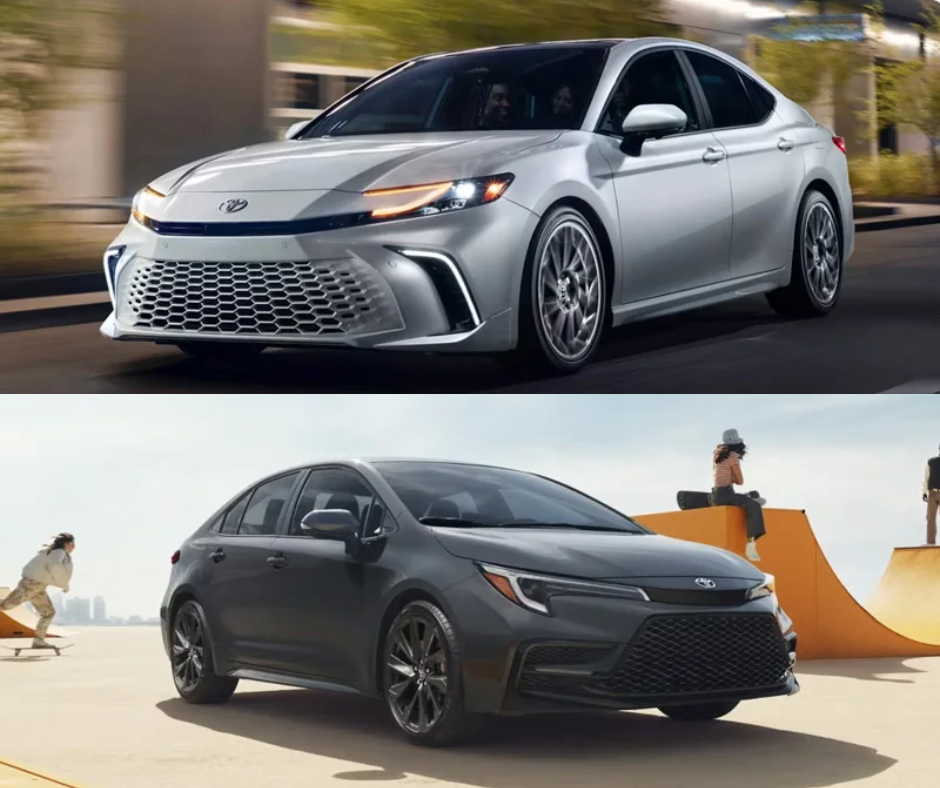



Trying to decide between a Toyota hybrid vs gas is a question that doesn’t have a one-size-fits-all answer. Both options have their strengths, and the right choice depends entirely on how you drive, what you value, and what fits your budget. Here's a look at both sides to help you decide.
What Makes Toyota Hybrid Vehicles Different?
Toyota hybrid vehicles combine a traditional gasoline engine with an electric motor to deliver a more fuel-efficient driving experience. The system is designed to switch between power sources automatically, which means less fuel consumption during stop-and-go traffic and city driving. You never need to plug in - the battery recharges through regenerative braking and the engine itself.Toyota has been developing this technology for decades, making their hybrid systems among the most reliable on the market. For drivers who deal with a mix of highway commutes and city errands, that efficiency can translate into fewer trips to the pump.
The Case for a Traditional Gas-Powered Toyota
Gas-powered Toyotas are still the preference for many drivers. They tend to have a lower upfront cost compared to hybrid models, and they're widely understood by mechanics everywhere. If you frequently drive on the highway, a gas engine can perform efficiently in those conditions as well.If you prioritize simplicity, upfront savings, or put fewer miles on your vehicle annually, a traditional gas vehicle may still be the more practical fit. Toyota gas vs hybrid decisions often come down to how many miles you drive and what kind of road you’re driving on.
Comparing Long-Term Costs
One of the biggest benefits to driving a Toyota hybrid is the potential for long-term savings. While hybrid models can carry a higher sticker price, the reduced fuel costs over time can offset that difference - especially if you tend to drive a lot of miles in the course of a year. Hybrid systems also tend to experience less brake wear because of regenerative braking, which can lower maintenance costs over the years.Gas models, on the other hand, have lower upfront costs and an easier ownership experience. If you're planning to own the vehicle for a shorter period, the cost savings from a hybrid may not fully materialize.
Performance and Everyday Drive Feel
Toyota hybrids are not slow or underpowered. In fact, many drivers are surprised by the responsive feel of an electric motor. Models like the Toyota Crown pair hybrid powertrains with a premium driving experience, while the Corolla Hybrid brings efficiency to a practical, everyday sedan.Gas-powered Toyotas, including performance-oriented models like the GR86, prioritize a traditional driving experience with a more direct engine connection. If driving engagement is a priority for you, those models have a distinct appeal that a hybrid may not replicate in the same way.
Making the Right Call for Your Lifestyle
The Toyota hybrid vs gas question doesn't have one universal answer. Hybrid cars make a lot of sense for commuters, families, and anyone looking to reduce their fuel costs over time. Gas-powered models still deliver outstanding value, reliability, and flexibility for drivers who prefer a more conventional ownership experience.Think about how much you drive, your budget, and how long you plan to keep the vehicle. Both paths lead to a well-built, dependable Toyota - it's really about matching the powertrain to your lifestyle.