


Blog / Findlay Toyota Service

What to Expect During Your Toyota's 60,000-Mile Service

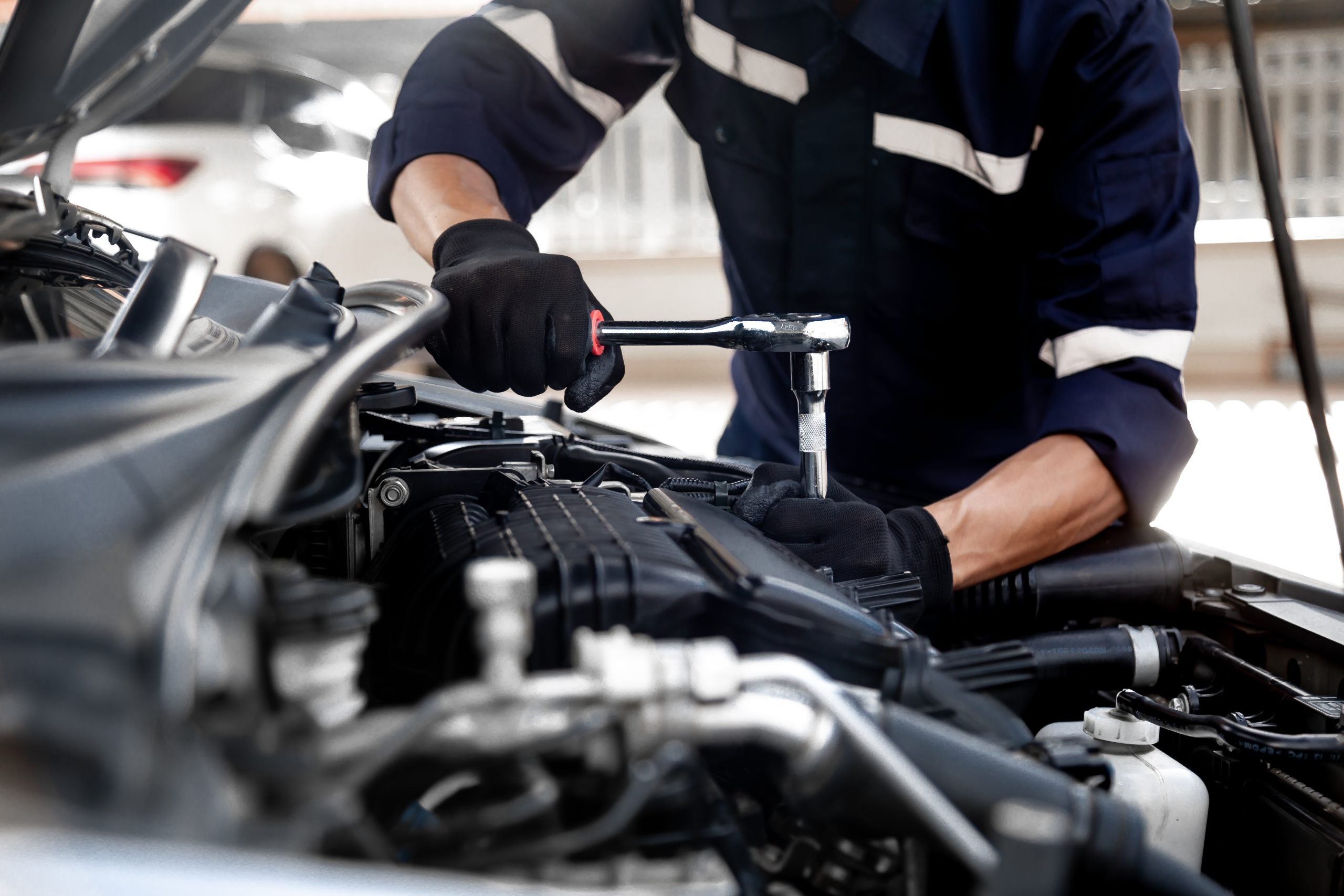
Mechanic servicing a vehicle engine.

When it comes to your Toyota, 60,000 is an important number. That means your odometer has hit the 60,000-mile mark, and it's time for your vehicle's 60,000-mile checkup.

The Toyota 60,000-mile service is one of the most comprehensive checkups your vehicle will go through, covering several systems that directly affect performance, safety, and reliability.

Skipping or delaying this service can lead to issues that are far more costly to fix down the road. Staying on top of your Toyota maintenance schedule is one of the best vehicle longevity tips any owner can follow.

What's Typically Included in a Toyota 60,000-Mile Service

The Toyota 60,000-mile service is much more than just a routine oil change. At this interval, your service technician will inspect and often replace several key components that wear over time.

Spark plugs are a common replacement at this milestone. Worn spark plugs can reduce fuel efficiency and affect engine performance. Transmission fluid, brake fluid, and coolant are also evaluated and replaced if needed. Your drive belts, air filters, and battery condition will be checked as well.

Tire rotation, brake inspection, and a multi-point vehicle inspection round out the service. Every check performed is rooted in the Toyota maintenance schedule, which is designed to keep your vehicle running the way it should.

Why This Service is Important for Vehicle Longevity

The components inspected during the Toyota 60,000-mile service don't last forever, and catching wear early prevents small problems from becoming serious ones.

For example, a worn drive belt that goes unnoticed can eventually snap, leaving you stranded and potentially causing engine damage. A brake inspection at this interval can identify thinning pads before they wear through to the rotor, saving you from a more expensive repair.

Staying current with your Toyota maintenance schedule also helps preserve your vehicle's resale value. Buyers and dealerships alike look favorably on vehicles with documented service histories.

How to Prepare for Your 60,000-Mile Appointment

Before you bring your Toyota in for its 60,000-mile service, it helps to gather any service records you have. This gives your technician a clearer picture of what has already been done and what may need extra attention.

If you've noticed anything unusual, such as a new noise, a warning light, or a change in how the vehicle drives, mention it at the start of your appointment. These details can help the technician address issues that might not show up during a standard inspection.

Staying on Track With Your Toyota Maintenance Schedule

After your Toyota 60,000-mile service is complete, your next major service interval will be at 75,000 miles, with routine oil changes and tire rotations in between. Keeping a consistent schedule is the simplest and most effective of all vehicle longevity tips.

Your Toyota's owner's manual outlines exactly what is recommended at each interval. If you have questions about what's due at your current mileage, your service advisor can walk you through the Toyota maintenance schedule in detail.

Schedule Your Toyota 60,000-Mile Service Today

If your Toyota is approaching or has reached 60,000 miles, now is the right time to get that service on the calendar. Reach out to the service team at Great Lakes Toyota or visit us online to book your appointment and keep your Toyota running at its best.

Posted in:

Related Posts

Air filter replacement service

How Often Should You Replace Your Toyota's Cabin Air Filter?

If you have ever noticed stale air, weak airflow, or unusual odors coming through your vents, a dirty cabin air filter is likely the culprit. At Great Lakes Toyota in Findlay, OH, we know cabin air filter replacement is a commonly overlooked part of routine maintenance. Upgrading it plays a vital role in keeping the air inside your vehicle clean and your climate control system running efficiently. more What Does a Cabin Air Filter Do? A cabin air filter rests behind your dashboard or glove box. It captures dust, pollen, and airborne particles before they enter your interior through the heating, ventilation, and air conditioning system. This filter works year-round to keep the air inside your Toyota fresh and breathable. How Often Should You Replace It? Most Toyota models require a new cabin air filter every 15,000 to 25,000 miles. Your owner's manual remains the best reference for your specific vehicle. Driving habits and environments also dictate replacement frequency. Frequent travel on unpaved roads, heavy traffic commutes, or high pollen areas necessitate more frequent filter replacements. Checking the filter annually is a smart habit regardless of your mileage. Signs It Is Time for Toyota Cabin Air Filter Replacement Knowing when to replace a cabin air filter saves you from dealing with comfort and air quality issues down the road. Common signs include reduced vent airflow, musty odors when running the climate control, and increased dust settling on interior surfaces. If you notice any of these symptoms, request a filter inspection during your next service appointment. What Happens If You Skip It? Ignoring a clogged cabin air filter strains your HVAC blower motor and reduces overall climate system efficiency. A dirty filter also fails to clean the air circulating through your cabin, creating a concern for anyone with allergies or respiratory sensitivities. Staying on top of this simple service protects your personal comfort and the long-term health of your vehicle. Schedule Service at Your Local Toyota Service Center Toyota cabin air filter replacement is a quick service you can easily include alongside routine maintenance like oil changes or tire rotations. Trained technicians install parts designed specifically for your Toyota model to ensure a proper fit and reliable performance. Drivers throughout Findlay, OH can schedule a service appointment online with Great Lakes Toyota to maintain a healthy driving environment. Use our online scheduling portal to book your visit today.

Customer approves vehicle service with mechanic holding a wrench

Maximizing Fuel Efficiency with Regular Service for Your Toyota Hybrid

If you drive a Toyota hybrid, you already know how good it feels to drive further on every tank of gas than most of the vehicles on the road. But Toyota hybrid fuel efficiency does not maintain itself - it depends on consistent care and smart driving habits. If you are cruising through town or heading out on longer stretches, keeping up with recommended service is one of the best things you can do for your hybrid. more Why Regular Service is Important for Toyota Hybrid Fuel Efficiency A Toyota hybrid relies on a combination of a traditional combustion engine and an electric motor working in sync. When either system needs maintenance, the overall efficiency of the powertrain can suffer. Regular hybrid maintenance - like checking the high-voltage battery, inspecting brake fluid, and rotating tires - helps ensure both systems are contributing as they should. Skipping these steps does not just risk mechanical problems; it can quietly chip away at the fuel savings that made you choose a hybrid in the first place. Toyota's ToyotaCare plan covers initial factory-scheduled maintenance and 24-hour Roadside Assistance, giving hybrid owners a reliable starting point for keeping their vehicle in top shape. Tire Care and Toyota Hybrid Fuel Efficiency Tires play a surprisingly large role in your hybrid’s gas mileage. Under-inflated tires create more rolling resistance, which forces the powertrain to work harder and draw more energy, reducing the fuel savings. Checking tire pressure regularly and rotating tires on schedule are simple fuel-saving tips that make a real difference over time. Toyota recommends following the vehicle's specific inflation guidelines, which are typically listed on the driver's door jamb sticker. Proper wheel alignment is also important. Misaligned wheels can cause uneven wear and increase drag, both of which work against your hybrid's efficiency goals. The Hybrid Battery and Brake System The high-voltage battery is the heart of any hybrid powertrain, and keeping it healthy is a priority for long-term Toyota hybrid fuel efficiency. Extreme temperatures can affect battery performance, which is worth keeping in mind for seasonal driving. Having the battery inspected as part of a regular service visit helps catch any early issues before they become larger concerns. Hybrid vehicles also use regenerative braking, which captures energy during deceleration and feeds it back into the battery. This system does a lot of heavy lifting when it comes to fuel efficiency. Routine brake inspections help ensure the regenerative system is functioning correctly alongside the traditional brake components. Smart Driving Habits That Support Hybrid Maintenance Even with a perfectly maintained hybrid, driving style affects how efficiently the vehicle performs. Gradual acceleration allows the electric motor to carry more of the load at lower speeds, reducing fuel consumption. Anticipating stops early gives the regenerative braking system more opportunity to recover energy instead of losing it as heat through the traditional brakes. Avoiding excessive idling is another effective way to maximize your gas mileage. In a hybrid, the combustion engine shuts off during idle and at low speeds, but unnecessary stops with accessories running still draw from the system's reserves. Visit Great Lakes Toyota for Hybrid Service in Findlay, OH Keeping your Toyota hybrid running at its most efficient does not require complicated steps - it starts with staying on schedule with the services your vehicle needs. From battery inspections to tire rotations and fluid checks, each service visit plays a role in protecting your investment and maximizing Toyota hybrid fuel efficiency for the miles ahead. Come see us at Great Lakes Toyota and let us help you with all of your Toyota hybrid maintenance needs so your car can keep saving you gas money.

Assorted automotive engine parts and spark plugs arranged on a workbench.

Why You Should Choose Toyota Genuine Parts for Repairs and Maintenance

When your Toyota needs a repair or routine service, one of the most important decisions you'll make is choosing the right parts. Toyota Genuine Parts are engineered specifically for your vehicle, and that's more important than you might think. So, if you drive a Corolla, a RAV4, or a Tacoma, making sure you use the right parts keeps your vehicle running the way it was designed to. more What Are Toyota Genuine Parts? Toyota Genuine Parts are designed, tested, and approved by Toyota to meet the exact specifications of your vehicle. Unlike aftermarket alternatives, these parts go through rigorous quality control before they ever reach your car. When you choose Toyota Genuine Parts, you're choosing parts that fit correctly the first time and work with your vehicle's existing systems. This is important for the long-term health of your Toyota. A part that doesn't meet Toyota standards can affect performance, safety, and long-term reliability - even if it costs less upfront. The OEM Parts Benefits You Might Not Know About Genuine parts are backed by Toyota's warranty, which means if something goes wrong, you have coverage. Aftermarket parts typically don't offer the same level of protection, leaving you to handle issues on your own. Toyota Genuine Parts are also designed to last. Since they're built to match your vehicle's original specifications, they tend to hold up better over time compared to generic alternatives. That means fewer replacements and less time in the shop - two things any driver can appreciate. Another advantage worth noting is compatibility. When your technician installs a genuine Toyota part, there's no guesswork about whether it will work properly with your vehicle's other systems. This is why Toyota maintenance performed with OEM components tends to produce better long-term results. Toyota Genuine Parts and Your Vehicle's Value Keeping your Toyota in top condition with the right parts also helps protect its resale value. Buyers and appraisers look favorably on vehicles that have been maintained with OEM parts. A service history that reflects quality Toyota maintenance signals that the car was cared for properly. It's also worth mentioning that using non-OEM parts can sometimes affect your vehicle's warranty coverage. If an aftermarket component causes damage to another system, that repair may not be covered. Sticking with Toyota Genuine Parts helps you avoid that risk entirely. Convenient Access to Genuine Parts and Service Getting Toyota Genuine Parts doesn't have to be complicated. Toyota offers tools online that make it easy to explore parts, schedule service, and manage your ownership experience. Through the Toyota website, you can schedule a service appointment and even browse genuine parts and accessories. Every new Toyota also comes with ToyotaCare, a maintenance plan that covers initial factory-scheduled service and 24-hour Roadside Assistance. That commitment to ongoing support is part of what makes sticking with Toyota Genuine Parts such a straightforward choice. For drivers in Findlay, OH, getting the right parts and service from a knowledgeable team makes the process even simpler. Choosing genuine components through a trusted local source ensures your vehicle gets exactly what it needs. Why Toyota Genuine Parts Are the Smart Choice When it comes to keeping your Toyota in the best possible condition, Toyota Genuine Parts are the clear choice. They're designed for your specific vehicle, backed by Toyota's quality standards, and built to support long-term performance. The Toyota parts experts at Great Lakes Toyota will be happy to help you learn more about genuine parts, schedule service, and everything available for your vehicle.