


Your tires are the only part of your vehicle that contacts the road, which makes proper Toyota tire maintenance critical to safety, performance, and efficiency. Whether navigating highways or running errands around Findlay, OH, well-maintained tires directly impact fuel economy, handling, and overall driving confidence.
Regular tire care isn’t just about performance—it’s about ensuring peace of mind every time you drive.
Why Toyota Tire Maintenance Matters
Neglecting your tires can lead to uneven wear, decreased fuel efficiency, and even blowouts. Consistent tire maintenance allows technicians to identify minor issues before they become costly problems or safety hazards.
Tires in good condition also help your vehicle’s safety systems, including traction control and anti-lock brakes, function as intended. Compromised tires reduce the effectiveness of these systems, making routine maintenance essential.
Check Tire Pressure Regularly
Maintaining proper tire pressure is one of the simplest and most effective ways to preserve tire life. Underinflated tires increase rolling resistance, reducing fuel efficiency and causing uneven wear along the edges. Overinflated tires, by contrast, wear faster in the center and compromise road grip.
Your Toyota’s recommended tire pressure can be found on the sticker inside the driver’s door jamb. Check pressure when the tires are cold, ideally before driving more than a mile, to ensure accurate readings.
Rotate Tires on Schedule
Tire rotation helps maintain even tread wear across all four tires, which is essential because front and rear tires wear differently depending on the drivetrain—front-wheel drive, rear-wheel drive, or all-wheel drive. Rotating tires at recommended intervals, typically every 5,000 to 7,500 miles, extends tire life and ensures consistent performance.
Regular rotations also give technicians a chance to inspect tires for damage, such as cuts, bulges, or embedded objects, before they become serious safety concerns.
Inspect Tread Depth and Tire Condition
Tread depth is critical for water dispersion and traction, particularly in wet conditions. Conduct periodic checks to ensure adequate grip, using simple methods like the penny test. Beyond tread, inspect tires for sidewall cracks, bubbles, or foreign objects that could compromise integrity.
Maintain Wheel Alignment and Balancing
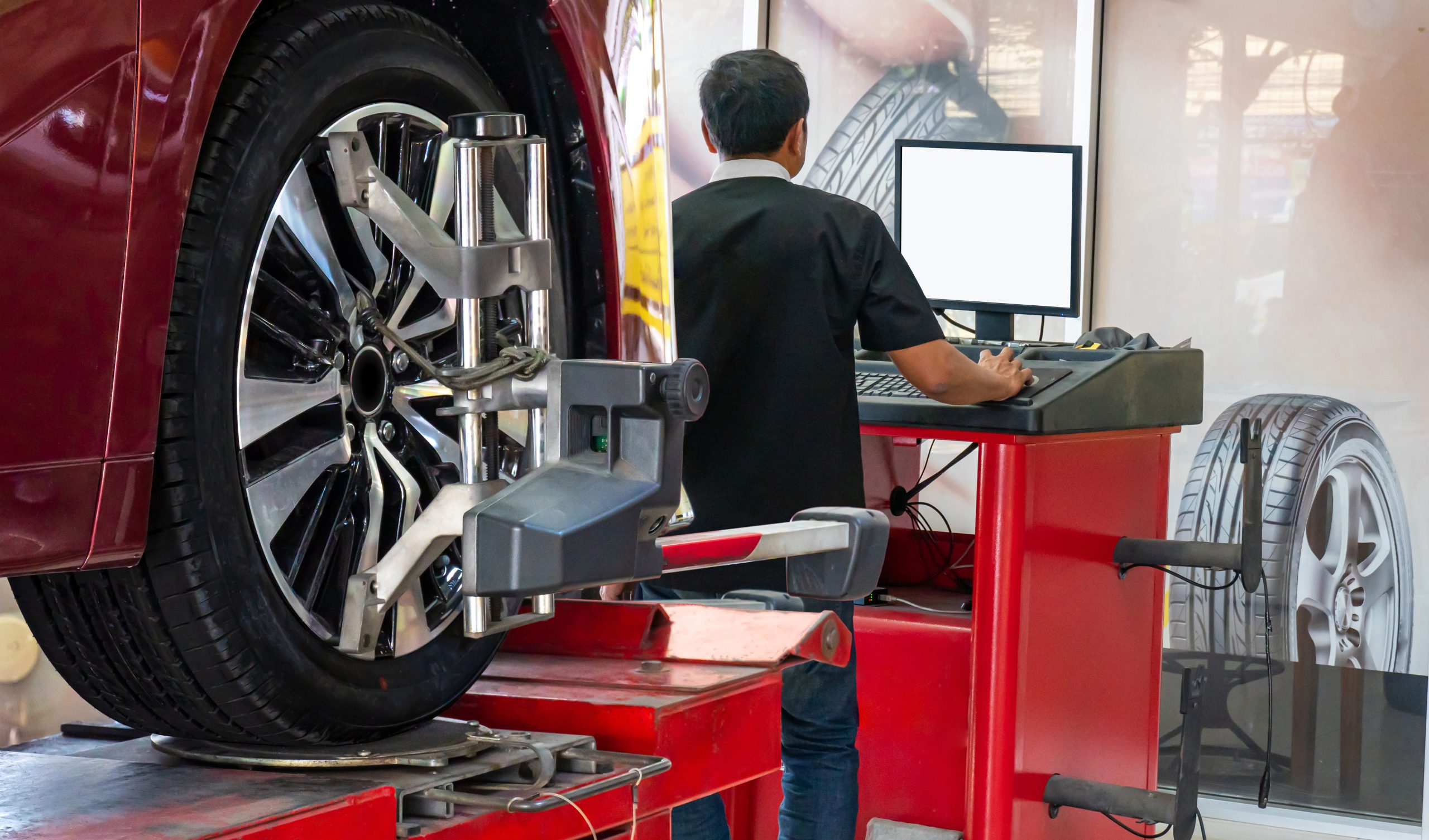
Proper wheel alignment ensures your tires make even contact with the road and prevents your vehicle from pulling to one side. Misaligned wheels accelerate uneven wear, reduce handling precision, and can shorten tire life.
Wheel balancing addresses the distribution of weight around each tire and wheel assembly. Imbalanced wheels can cause vibrations through the steering wheel or seat, affecting ride comfort and stressing suspension components. Alignment and balancing should be checked after hitting potholes, installing new tires, or noticing irregular handling.
Check the Spare Tire
A spare tire is only useful when you need it most. Inspect the spare’s condition and inflation at least twice a year. Compact spares, or “donuts,” are for temporary use only and have specific speed and distance limitations, so keeping them properly inflated is essential.
Trust the Experts in Findlay, OH
While some tire checks can be performed at home, having a certified technician perform a complete inspection provides added confidence. The team at Great Lakes Toyota offers professional tire care, including pressure checks, rotations, alignments, and more, helping ensure your vehicle remains safe and reliable.
Connect with us

